New Preprint on As tolerance enhancing fungus

Incredibly happy to see this project finally set fruits. We had to go through quite some headaches to eventually understand and explain the observed phenotype.
Rodríguez-Dobreva E. et al. 2026 SSRN
Synopsis
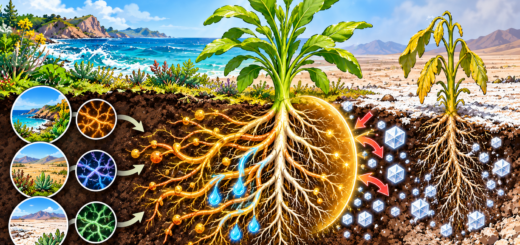
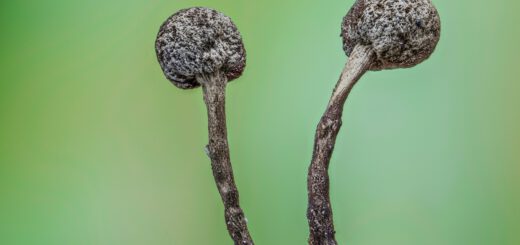
Arsenic (As) contamination severely compromises plant growth and agricultural productivity, particularly in environments affected by mining or industrial activities. Microbial symbionts adapted to metalliferous soils represent a promising yet underexploited resource for enhancing plant tolerance to As toxicity. In this study, we isolated root-associated fungal endophytes from three plant species thriving on As-rich tailings of the Mónica mine (Bustaviejo, Spain) and identified Penicillium sp. strain D7 as a highly As-tolerant symbiont with pronounced plant growth–promoting effects. When co-cultivated with Arabidopsis thaliana, D7 significantly enhanced shoot biomass under As(III) stress and mitigated characteristic toxicity symptoms. Transcriptome profiling revealed that D7 reprograms plant hormone signalling of the host in a tissue-specific manner: the fungus suppresses abscisic acid (ABA) biosynthesis and ABA-responsive stress pathways in roots, while simultaneously inducing auxin biosynthesis and signalling in shoots, consistent with improved growth performance. Furthermore, D7 elicited the coordinated induction of key components of the plant’s intrinsic As detoxification machinery, including ARQ1, PCS1, and the vacuolar transporters ABCC1 and ABCC2. Functional analyses using the abcc1 abcc2 double mutant demonstrated that vacuolar sequestration of As(III) in roots is essential for D7-mediated stress tolerance, indicating that fungal colonisation enhances the host’s capacity for intracellular detoxification rather than reducing As uptake. Together, these results demonstrate that Penicillium sp. D7 reinforces plant resilience to As(III) by simultaneously attenuating stress perception, promoting growth-related hormonal programs, and stimulating vacuolar sequestration of As. This study highlights D7 as a promising microbial tool for supporting vegetation establishment and phytostabilisation efforts in As-contaminated environments.